Yohimbe: Why This Label Carries a Caution
The sixth of six herbs on the Apex Boost label, and the one with its own printed warning. Here is the pharmacology and the research behind that line.
Written by the Theapexboost Editorial Desk Medically reviewed by Dr. Justin Houman, MD Published
What the label says, and why this post exists
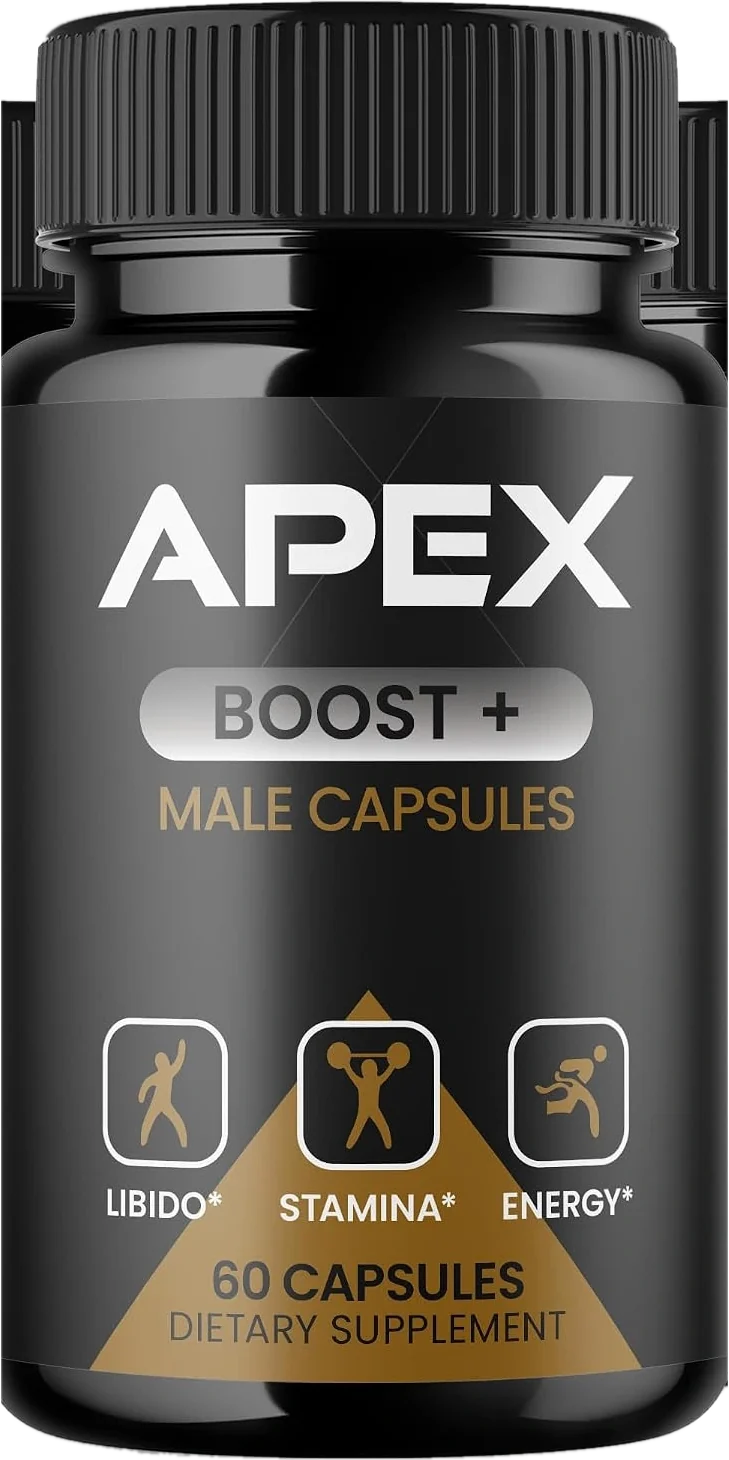
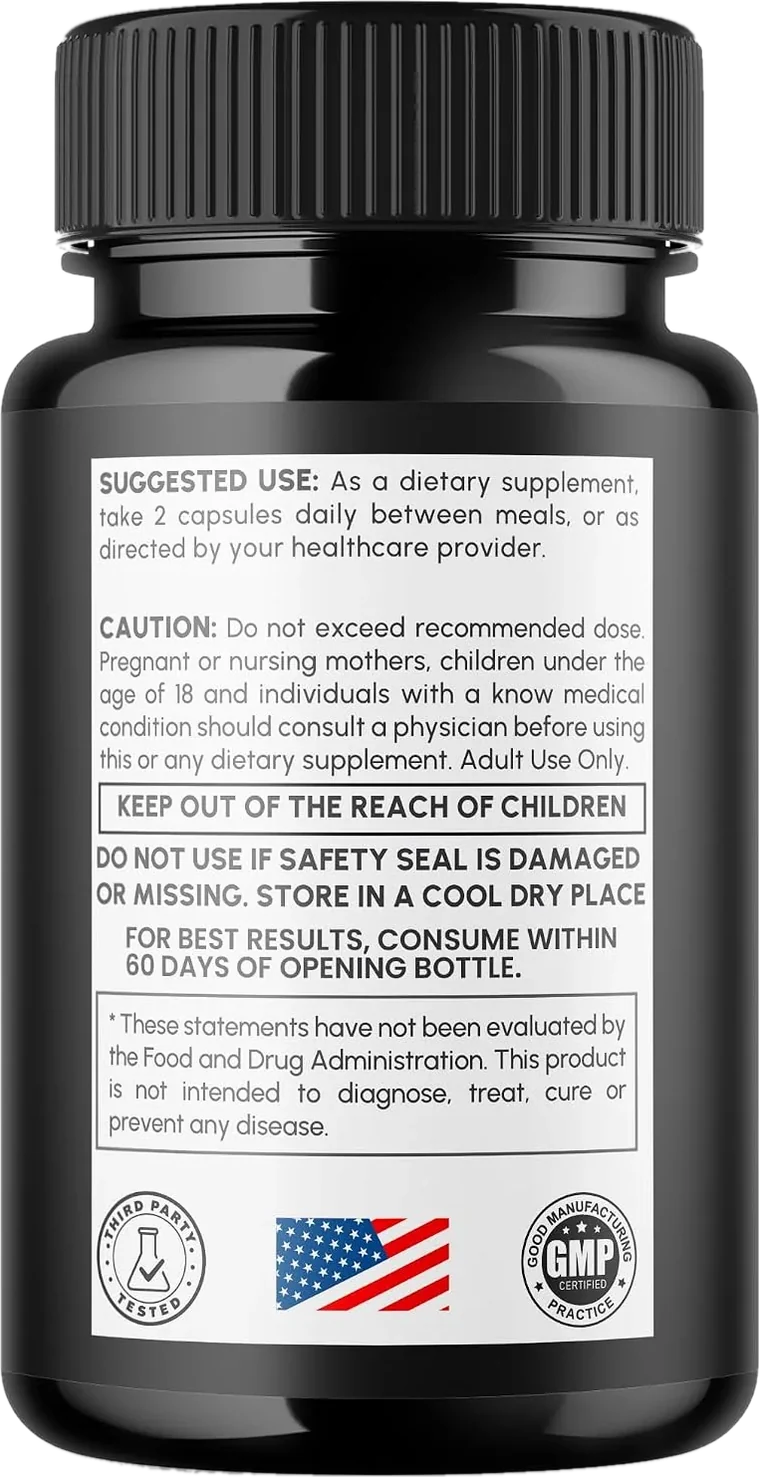
Apex Boost’s Supplement Facts panel lists “Yohimbe Extract (Pausinystalia Yohimbe)” as the last of six herbs inside the 838 mg Proprietary Male Support Blend, printed in this order: Tribulus Terrestris, Horny Goat Weed (Epimedium Sagittatum), Longjack (Eurycoma Longifolia), Ginseng Root (Panax Ginseng), Ashwagandha (Withania Somnifera), Yohimbe (Pausinystalia Yohimbe). As with every herb in the blend, the label states one 838 mg total and no individual amount for yohimbe. The bottle’s own caution panel already carries a warning line about this ingredient, and this site’s ingredient modules and FAQ already say that yohimbe “can raise heart rate and blood pressure and may cause jitters.” This post exists to explain why that caution is printed, in more depth than a label line allows — not to repeat it, and not to walk it back.
The same rule applies here as on every post in this series: everything cited below tested yohimbine, or yohimbe bark extract, on its own. Nothing tested Apex Boost as a finished product. That distinction matters more in this post than in any other, for reasons the rest of it explains.
Yohimbine, the compound, in plain terms
Yohimbine is an indole alkaloid found in the bark of Pausinystalia yohimbe, a West African tree, and it is the active compound behind this label’s sixth ingredient (Nowacka 2024, PMID 39684567). Pharmacologically, yohimbine’s primary action is blocking α2-adrenergic receptors, with a secondary, more moderate effect on α1 receptors (Jabir 2022, PMID 36263866). In plain terms: α2 receptors normally act as a brake on the release of noradrenaline, the body’s own “fight or flight” signal. Blocking that brake is precisely what lets more noradrenaline circulate — which is the direct pharmacological reason yohimbine can raise heart rate and blood pressure, the exact effect this product’s own label already warns about. This isn’t a side effect unrelated to how the ingredient is supposed to work; it is close to the same mechanism researchers have studied for its other proposed effects.
Bark extract vs. yohimbine HCl: not the same thing on a label
One label-reading distinction is worth making before going further, because it matters for the dosing discussion later in this post. Pharmacies and compounding chemists can sell a prescription-grade, purified form called yohimbine hydrochloride (yohimbine HCl), where the active alkaloid is isolated and a capsule or tablet states an exact milligram amount of it. Apex Boost’s label does not say that. It says “Yohimbe Extract (Pausinystalia Yohimbe)” — a crude bark extract, not an isolated, standardized alkaloid. Bark extracts vary in how much yohimbine they actually contain batch to batch, depending on the plant material and the extraction process, which is exactly why a crude-extract label line can’t be read the same way a pharmaceutical yohimbine HCl milligram count can. Combined with the fact that this label states only an 838 mg total across all six herbs, a reader has two layers of uncertainty stacked on top of each other: how much of the blend is yohimbe extract, and how much yohimbine is actually in that extract.
What two 2022–2024 pharmacology reviews say
Two independent literature reviews, published two years apart, describe the same honest picture. A 2024 review in the International Journal of Molecular Sciences frames yohimbine as having real “therapeutic potential,” while stating directly that “toxicological concerns exist, particularly at higher doses” (Nowacka 2024, PMID 39684567). A 2022 review in Annals of Medicine surveys yohimbine’s pharmacological applications in similar terms, and its own conclusion calls for “further research…on the pharmacokinetics, molecular mechanisms, and drug safety requirements using well-designed randomized clinical trials” (Jabir 2022, PMID 36263866) — another way of saying the safety research hasn’t caught up with how widely available the ingredient already is in supplements like this one.
The pattern across both reviews
Neither paper dismisses yohimbine as useless, and neither claims it is safe at any dose. Both describe a compound with a clear mechanism, some therapeutic interest, and a toxicity profile that gets more serious as the dose rises — which is precisely the combination that makes an unstated dose, inside a blend, worth a reader’s attention.
The regulatory gap: why nobody checked this before it shipped
A 2023 paper in Innovations in Pharmacy by Li and Wertheimer looks past the pharmacology and at the regulatory system dietary supplements operate inside (Li 2023, PMID 38035313). Its central point is one this site’s own claims policy already states in different words: the FDA does not approve dietary supplements, including this one, before they go on sale. A supplement manufacturer doesn’t have to prove a product safe or effective before shipping it; the FDA’s authority is mostly after-the-fact, through labeling rules and post-market monitoring. The paper names yohimbine specifically, alongside kava kava and kratom, as an ingredient category “linked to” serious organ-specific harm — cardiac toxicity in yohimbine’s case — and argues that the FDA’s actual response to that pattern “was simply implementing a label guideline update,” which the paper says showed “evidence of minimal effect.” Its stated concern is that “the general public is more inclined to its use without proper guidance and monitoring from their healthcare team,” which the authors call “a major concern for possible interactions, contraindications and unfavorable outcomes.”
We are not aware of any claim that Apex Boost specifically is implicated in any of the adverse-event reports this paper discusses. The point of including this source is narrower and more useful: it explains why a reader can’t assume an ingredient has been safety-checked by a regulator just because it’s legally for sale. That burden sits with the reader and their doctor, not with a government pre-screen, and that is exactly why this site states the dose limit and the doctor-first list on every page that mentions taking this product.
The adverse-event record, by the numbers
The same 2023 paper gives useful scale to the dietary-supplement category as a whole: “Between 2004 to 2021, a total of 79,071 adverse events related to the use of dietary supplements were reported” to the FDA (Li 2023, PMID 38035313) — across the entire supplement industry, not yohimbe alone, and not reports confirmed to have been caused by the product named in each report. A separate 2015 review in Sexual Medicine Reviews, surveying natural products marketed as sexual enhancers, reaches a blunt conclusion about this specific ingredient: “the risks of yohimbine…may outweigh any benefit, and these products should be avoided” (West 2015, PMID 27784600). That review groups yohimbine with several other high-risk natural “enhancers” it names in the same sentence, rather than singling this product’s formulation out, and its recommendation is about yohimbine as an ingredient category, not a verdict on any specific brand.
Why the dose inside this blend is unknowable
Every concern above is explicitly dose-dependent — “toxicological concerns exist, particularly at higher doses,” in the pharmacology review’s own words. That makes one fact about this label unusually important: there is no way, from the printed Supplement Facts panel, to know how much yohimbe extract is in a two-capsule serving of Apex Boost. The panel states an 838 mg total for all six herbs combined and gives no per-herb breakdown, which is standard and legal for a proprietary blend under U.S. labeling rules, but it means a reader genuinely cannot compare this product’s yohimbe exposure to any dose studied in the research above. This isn’t a gap specific to Apex Boost — it is true of essentially every proprietary-blend supplement that includes yohimbe — but it is the single most important fact this post can add to the label’s own one-line caution.
Who must not take this blend
Based on yohimbine’s mechanism and the sources above, several groups should not take Apex Boost, consistent with the stricter wording already on this site’s disclaimer page:
- Anyone with a diagnosed heart condition, arrhythmia, or high blood pressure
- Anyone taking an MAO inhibitor or a tricyclic antidepressant, where NCCIH specifically warns against combining those drug classes with yohimbe
- Anyone with an anxiety disorder, since increased noradrenaline activity is a recognized trigger for anxiety symptoms
- Anyone with a kidney or liver condition
- Anyone pregnant, nursing, or under 18
That list isn’t new information this post is introducing — it mirrors what the about page and disclaimer already say — but it is worth repeating with the pharmacology behind it rather than as an unexplained bullet point.
How to decide, if you take any medicine at all
If you take any prescription medicine, especially for blood pressure, heart rhythm, depression, or anxiety, the honest answer is the same one this site gives everywhere else: talk to the prescriber before adding this blend, and bring the label with you so they can see exactly what six herbs and what total blend weight you’re asking about. A clinician can weigh your specific medication list and health history against yohimbine’s mechanism in a way a label, or a blog post, cannot. If you don’t take any medicine and have none of the conditions listed above, the label’s own instruction still applies without exception: two capsules a day, never more, and stop if anything feels wrong.
A few direct questions
>Does this post mean nobody should take Apex Boost?+
No. It means the specific groups listed above shouldn’t, and that everyone else should read the full label, respect the two-capsule limit, and know what the caution is actually based on. That is a narrower claim than “avoid this product,” and a wider one than the single line printed on the bottle.
>Is yohimbine banned?+
No, not as an ingredient in a dietary supplement in the United States. It is regulated the way the rest of this post describes: legal to sell, not pre-approved by the FDA, and subject to the labeling and post-market rules that apply to every dietary supplement.
>Why does this product include yohimbe at all if it carries this much caution?+
Yohimbe is a common ingredient across this entire category of men’s formulas, not unique to this product, which is part of why we think a reader benefits from understanding the mechanism rather than only the warning. The decision about whether that tradeoff makes sense for you belongs with you and your doctor, not with a label line or this post.
Sources
- Nowacka A, Śniegocka M, Śniegocki M, Ziółkowska E, Bożiłow D, Smuczyński W. Multifaced Nature of Yohimbine—A Promising Therapeutic Potential or a Risk? Int J Mol Sci. 2024;25(23). PMID: 39684567.
- Jabir NR, Firoz CK, Zughaibi TA, Alsaadi MA, Abuzenadah AM, Al-Asmari AI, Alsaieedi A, Ahmed BA, Ramu AK, Tabrez S. A literature perspective on the pharmacological applications of yohimbine. Ann Med. 2022;54(1):2861–2875. PMID: 36263866.
- Li W, Wertheimer A. Narrative Review: The FDA’s Perfunctory Approach of Dietary Supplement Regulations Giving Rise to Copious Reports of Adverse Events. Innov Pharm. 2023;14(1). PMID: 38035313.
- West E, Krychman M. Natural Aphrodisiacs—A Review of Selected Sexual Enhancers. Sex Med Rev. 2015;3(4):279–288. PMID: 27784600.
- NCCIH. Yohimbe. National Center for Complementary and Integrative Health. nccih.nih.gov/health/yohimbe.
Who reviewed this post
Dr. Justin Houman, MD Physician · medical reviewer for theapexboost.com
Dr. Justin Houman, MD is the physician named as medical reviewer for this site. He checks this kind of post for accuracy against the sources cited below and for safety wording, before it is published and again if it changes. The review is not an endorsement of Apex Boost and not personal medical advice — questions about your own health belong with your own doctor.